
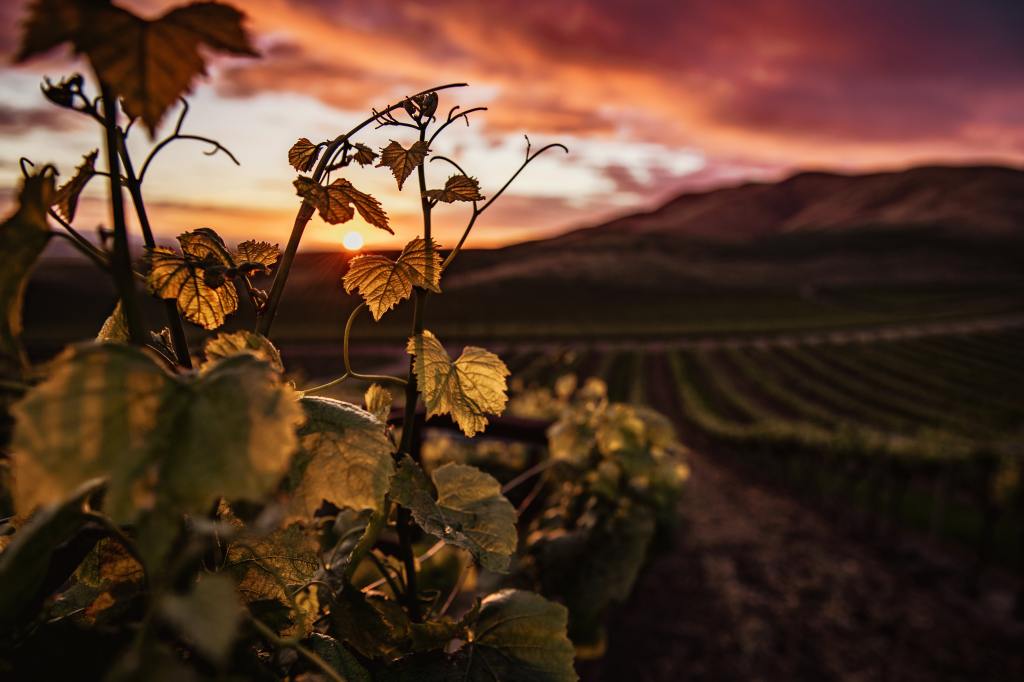
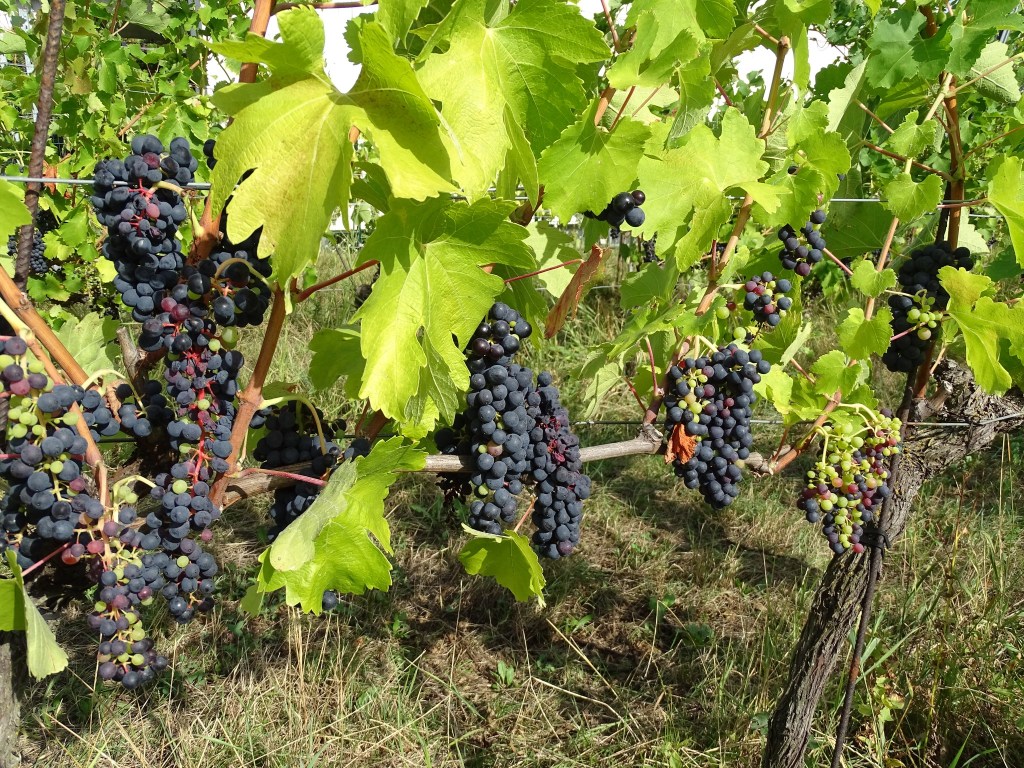
In August of 2022, Euronews reported that droughts and elevated temperatures were forcing Europe’s vintners to harvest early – in some cases up to a month before they usually would. The impact was not limited to an early harvest but included a difference in flavours and aromas, a rise in sugar and alcohol content, yield losses and smaller grapes. The impact was also dependent on the age of the vineyards, with older vineyards demonstrating more resilience to droughts, due to their deeper roots. Fires are also on the increase, with recent reports coming in of vineyards destroyed by fires in the USA, Australia, and France.
Such impacts do not seem to be a 2022 one-off. According to Christian Huyghe – the Scientific Director of Agriculture at INRAE (a French public research institute dedicated to agricultural science) – 2022 has been “a tremendous challenge and unfortunately, it’s probably only the first of a long series to come”.
This is not surprising since we are experiencing global warming caused mostly by human activity and greenhouse gas emissions. According to the Intergovernmental Panel on Climate Change exceeding the limit of a +2°C increase will impact ecosystems irreversibly, and the vine is part of such vulnerable ecosystems.
How are winemakers adapting?
Charles Huyghe suggests that there are two ways winemakers can make modifications and adapt. The first is by providing more water to the vineyards, using precision and drip irrigation. The second is by reducing the intensity of the light to reduce the temperature of the leaves, e.g., by using solar panels on top of the vineyards. Some organic methods of wine production also allow the vines to grow taller with the leaves shading the berries – a technique that might be particularly useful where there is a water shortage.
Viticulturists may also be forced to replace current grape varieties with others more resilient and adaptable to arid and hot climates. This will create legislative issues due to questions of appellations of origin.
Is it all doom and gloom?
A 2020 blog published by Aveine suggests that “global warming could wipe out more than half of the world’s wine-producing regions, according to some experts”, so the situation is surely serious. However, in the short term, different phenomena can be observed, e.g., the dry hot temperatures have reduced disease pressures, such as a drop in downy mildew, in some areas. Reporting on the 2022 harvest, Fabien Teitgen from the Château Smith-Haut-Lafitte estate in the south of Bordeaux had this to say on the situation so far: “global warming is very positive. We have better ripeness, better balance.”
In the longer term, there might also be a geographical shift in the regions of wine production, as some become too arid, while others become more arable, leading to the emergence of new wine-growing regions.
Why should we care?
If the current trends are sustained, there will be an impact on the availability and price of some of the world’s best-renowned wines. Furthermore, the cultural heritage, traditions, livelihoods, and identities of wine-making regions are at stake.
Viticulture adaptations in production will automatically impact consumer habits and possibly acceptance. Furthermore, as awareness of the changing wine trends caused by global warming increases, more consumers will opt to choose wines produced in ways that respect the environment.
 FatherandSon
Leave a comment